


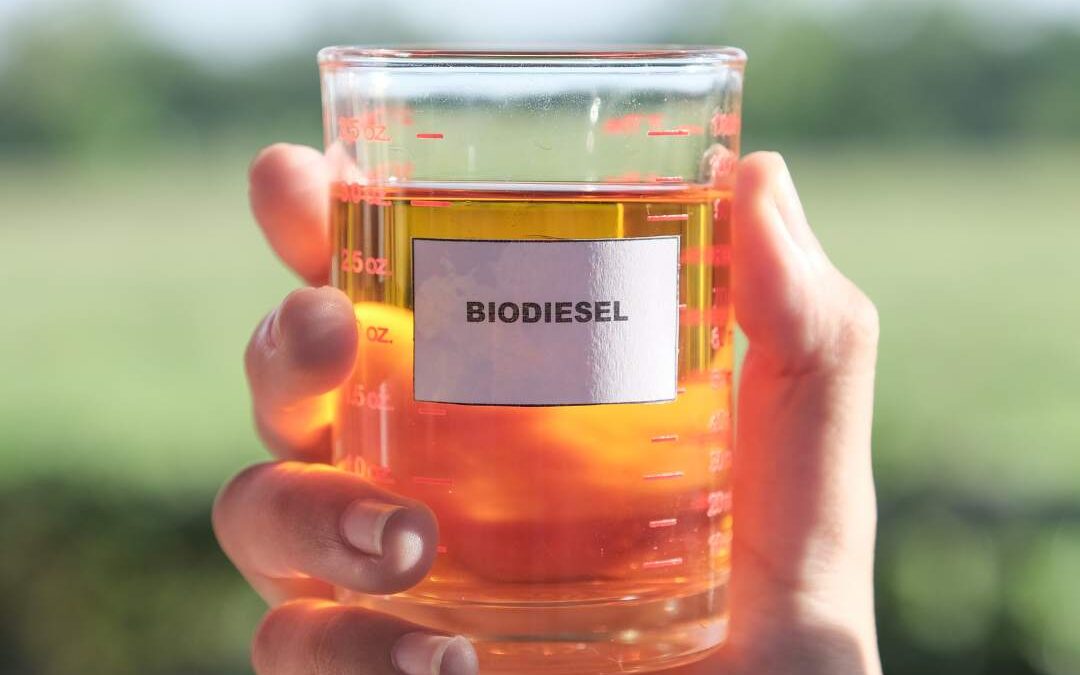
Amid growing concerns about carbon emissions and the search for cleaner fuels, biodiesel made from animal fat has emerged as a surprising option. Backed by a study commissioned by Transport & Environment (T&E) consultancy Cerulogy, it has revealed that production of this biofuel has increased 40-fold since 2006, with demand expected to triple by 2030.
However, the growing popularity of biodiesel raises questions about its sustainability. Europe currently burns 46% of all animal-derived biodiesel, and if demand from airlines and oil companies were to intensify, ethical and environmental concerns would arise.
At a time when European and US authorities are promoting a reduction in meat consumption and a focus on more sustainable farming practices, the idea of raising animals exclusively to use their fat as fuel may seem contradictory. Moreover, while palm fat could be considered a cheaper alternative with similar properties, the study suggests that CO2 emissions would be 1.7 times higher than those of conventional diesel.
As the automotive industry looks for solutions to reduce emissions, it is essential to consider the full environmental, ethical and sustainability implications of different fuel options. The discussion around animal fat biodiesel invites us to reflect on how to balance our mobility needs with environmental protection and animal welfare in a changing world.
If you would like to have more information about dangerous goods transport or any of our services, please do not hesitate to contact us.