

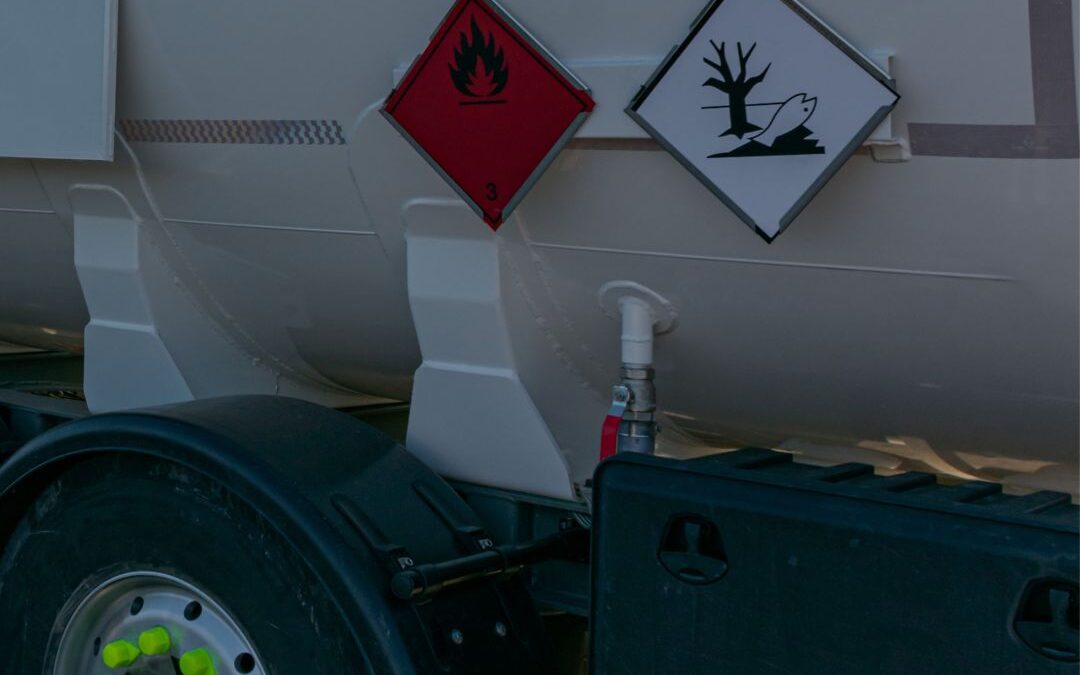
Dangerous Goods Spillage: How to Act in an ADR Emergency
A spill during the transport of dangerous goods is one of the situations that can most quickly turn an operational incident into an emergency. When dealing with an ADR tanker, the response cannot be based on improvisation. The appropriate action depends on the goods...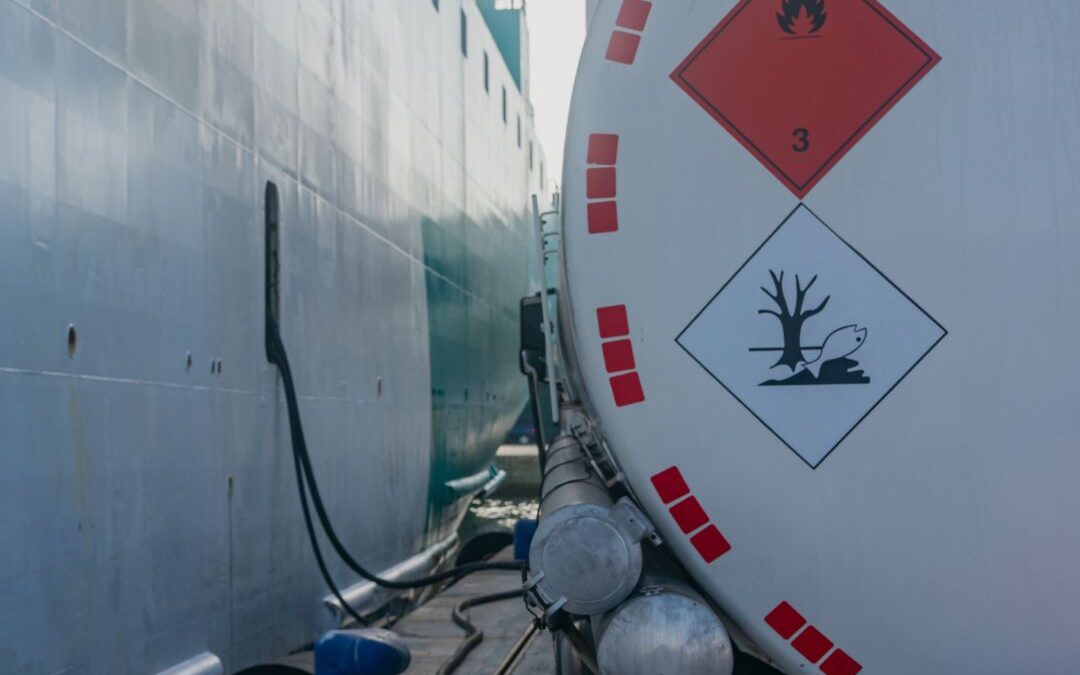
Why Does the Risk of Product Density Reading Errors Increase in Summer?
Density is one of the most important parameters in the transport of liquids by tanker, as it directly affects quantity control, product traceability and the correct execution of loading and unloading processes. However, during the summer, high temperatures introduce a...
Cryogenic Gas Transport: Safety, Technology and Control Under Extreme Conditions
The transport of cryogenic gases is one of the most specialised activities within the dangerous goods transport sector. These substances must be maintained at extremely low temperatures to remain in a liquid state, in some cases below -150°C. This type of transport...
How Does Thermal Expansion Affect the Product in a Tanker During Heatwaves?
Although this phenomenon is well known in theory, it has very real implications for day-to-day operations, particularly when temperatures remain above 30–35°C for prolonged periods and the vehicle is exposed to direct sunlight or waiting in logistics areas. In the...