
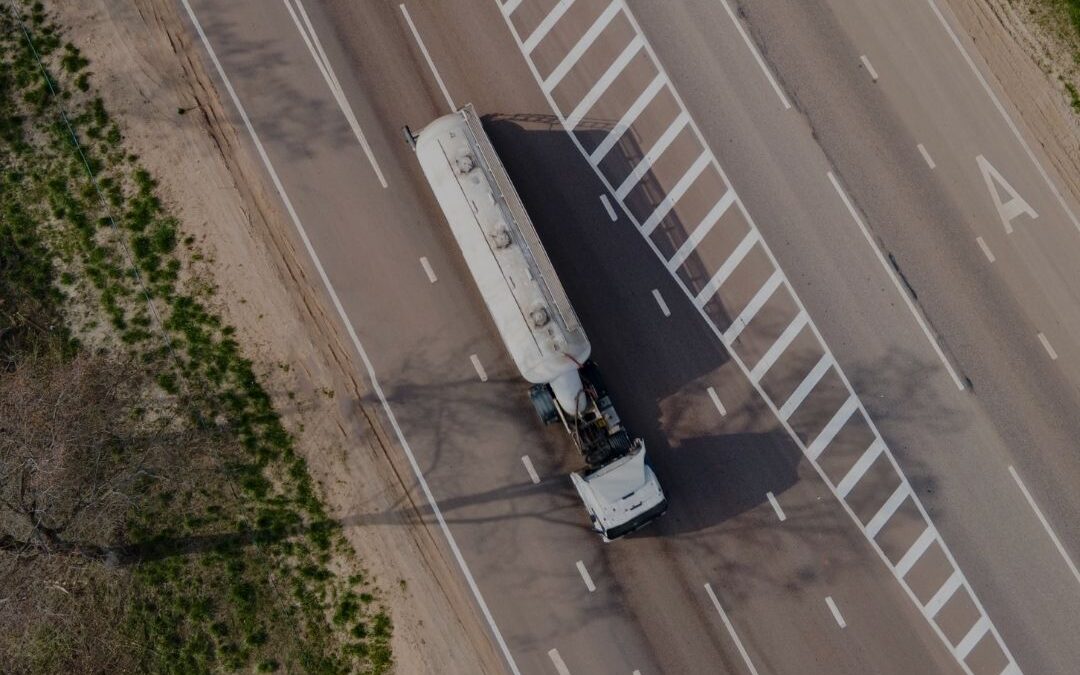
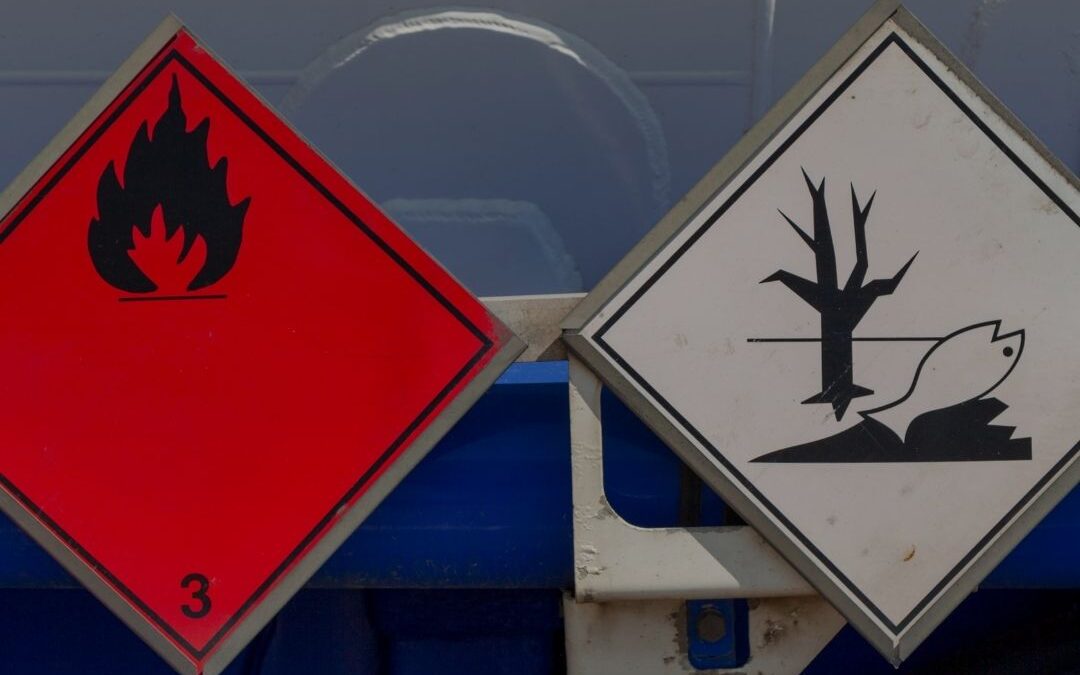
ADR 2027: What companies transporting dangerous goods need to review before January
A new edition of the ADR, the international agreement governing the carriage of dangerous goods by road, is scheduled to come into force on 1 January 2027. For companies handling chemicals, tankers and international transport, this is more than simply a new edition of...
Transportes Fernández y Aedo advances its digital transformation with the support of the Provincial Council of Bizkaia
Digitalisation is transforming the way companies manage their processes, organise information and conduct their business. This is also the case in sectors such as transport, where the adoption of digital solutions is part of a gradual evolution in business management....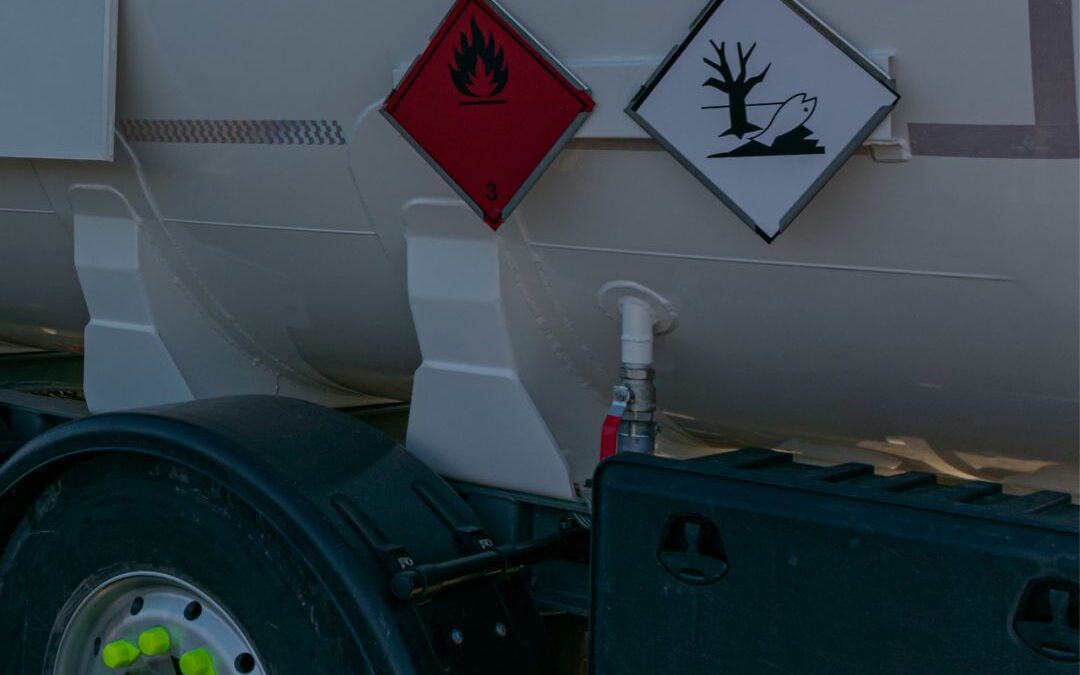
Dangerous Goods Spillage: How to Act in an ADR Emergency
A spill during the transport of dangerous goods is one of the situations that can most quickly turn an operational incident into an emergency. When dealing with an ADR tanker, the response cannot be based on improvisation. The appropriate action depends on the goods...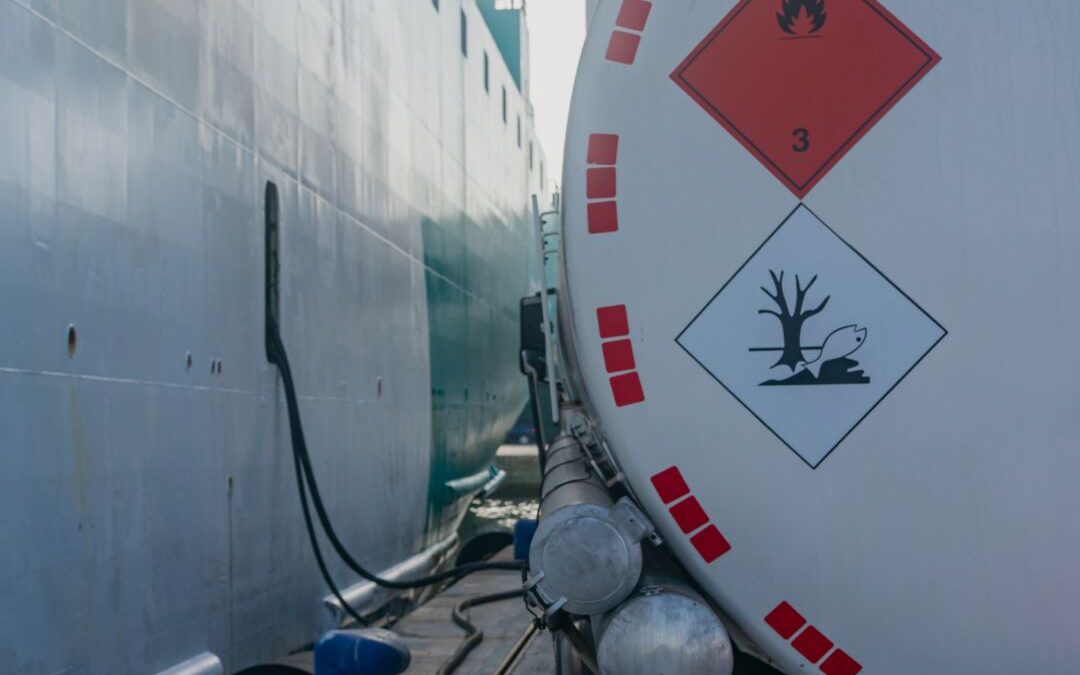
Why Does the Risk of Product Density Reading Errors Increase in Summer?
Density is one of the most important parameters in the transport of liquids by tanker, as it directly affects quantity control, product traceability and the correct execution of loading and unloading processes. However, during the summer, high temperatures introduce a...