


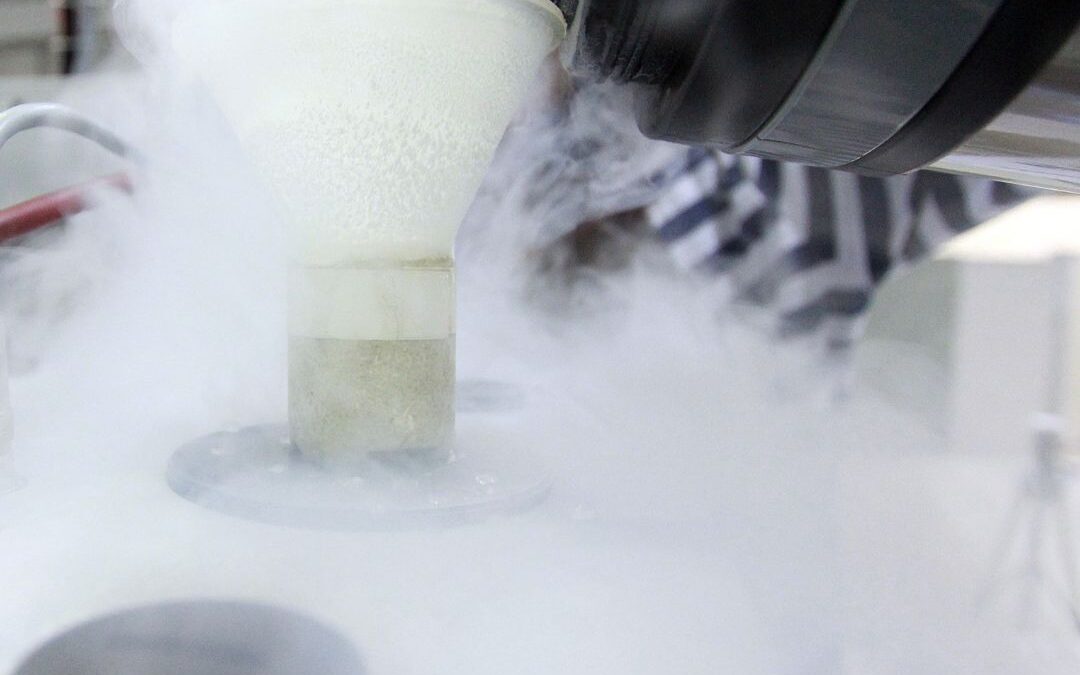
The transport of cryogenic gases is one of the most specialised activities within the dangerous goods transport sector. These substances must be maintained at extremely low temperatures to remain in a liquid state, in some cases below -150°C.
This type of transport requires highly specialised equipment, strict procedures and continuous monitoring of the product’s conditions throughout the entire logistics process.
It is not conventional transport: it is a highly technical operation in which thermal stability and safety are absolutely critical.
What Are Cryogenic Gases?
Cryogenic gases are liquefied gases that can only remain in a liquid state at very low temperatures. Some of the most common in industrial transport include:
- Liquid nitrogen
- Liquid oxygen
- Liquid argon
- Carbon dioxide under certain cryogenic conditions
These products are used in sectors such as the food, medical, metalworking and chemical industries, making their distribution essential to numerous production chains.
How Are Cryogenic Gases Transported?
Cryogenic gases are transported in specially designed cryogenic tankers that maintain the required thermal conditions of the product.
These tankers do more than simply store the product: they function as advanced thermal insulation systems, designed to minimise heat transfer from the surrounding environment.
Their main features include:
- Double walls with vacuum insulation
- Internal pressure control systems
- Safety valves specifically designed for liquefied gases
- Materials designed to withstand extreme temperatures
- Controlled venting systems to prevent overpressure
The Role of Pressure and Temperature
In cryogenic transport, the relationship between pressure and temperature is critical.
When the temperature rises slightly, part of the liquid may evaporate, causing pressure inside the tank to increase. This phenomenon is known as “boil-off”.
For this reason, cryogenic tankers are designed to:
- Maintain product stability
- Release pressure in a controlled manner when necessary
- Prevent dangerous pressure build-up within the system
Continuous pressure monitoring is one of the most important aspects of this type of transport.
Main Risks of Cryogenic Transport
Although cryogenic transport is highly controlled, it involves inherent risks that must be properly managed:
1. Exposure to extreme temperatures
Direct contact with the product can cause severe cold burns.
2. Increase in internal pressure
Incorrect management of boil-off can lead to overpressure.
3. Material embrittlement
Extremely low temperatures can affect the behaviour of certain materials if they are not specifically designed to withstand them.
4. Risks during loading and unloading operations
Connections must be made according to highly specific procedures to prevent leaks or sudden releases.
Safety Measures in Cryogenic Transport
The transport of cryogenic gases relies on a combination of technology, regulations and strict operational procedures:
- Equipment certified for cryogenic temperatures
- Specific training for personnel
- Controlled loading and unloading procedures
- Continuous monitoring of pressure and system condition
- Appropriate personal protective equipment
- Regular inspections and maintenance of tankers
Safety does not depend on a single element, but on all these measures working together in a coordinated manner.
Industrial Applications of Cryogenic Transport
Cryogenic gases have a wide range of industrial applications:
- Medicine and healthcare: medical oxygen
- Food industry: preservation and rapid freezing
- Metalworking industry: cutting and welding processes
- Scientific research and laboratories
- Chemical and industrial production
This makes their transport a key activity for numerous economic sectors.
Cryogenic gas transport is a highly specialised activity that combines engineering, safety and operational precision.
Its successful execution depends on understanding how gases behave at extreme temperatures, using specialised equipment and strictly applying safety procedures.
If you would like more information about our dangerous goods transport services or any of the solutions we offer, please do not hesitate to contact us.