


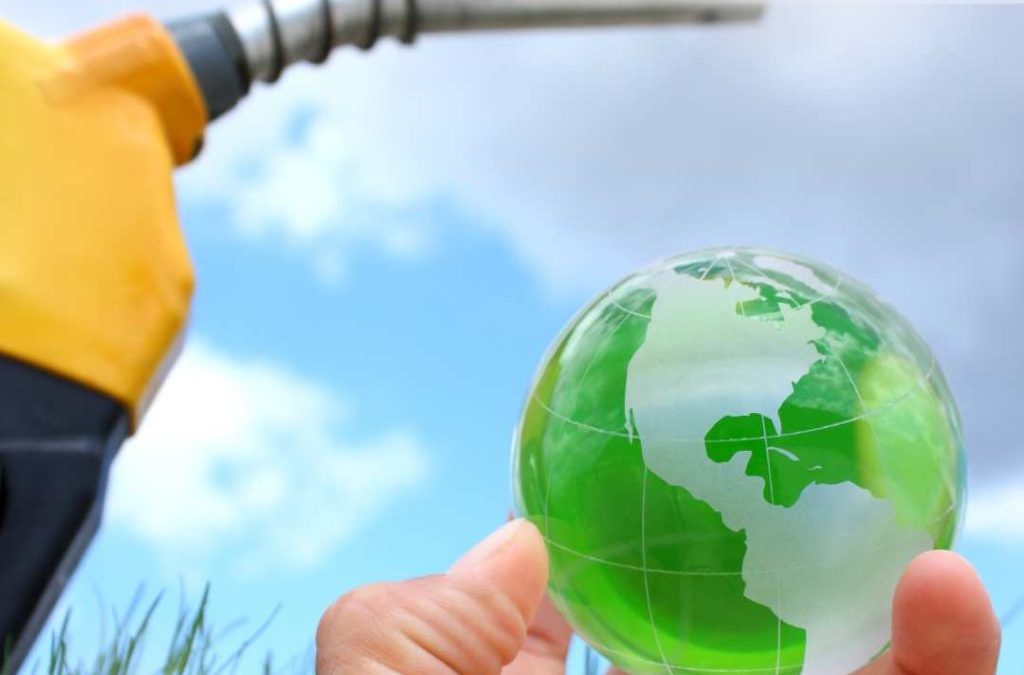
The European Commission will establish a new classification in 2035 for carbon-neutral combustion engine vehicles.
At the moment, it is a draft, but a proposal has been tabled which raises the possibility of creating a new category of vehicles in the EU. These vehicles would use carbon-neutral fuels, but would be equipped with technology to avoid the use of traditional petroleum-based fuels.
These fuels are also known as eco-fuels and there are different varieties:
-Biofuels:
These fuels are derived from natural resources and biomass, which are materials of biological origin, such as agricultural waste, forestry and by-products like manure. But they can also be derived from cereals such as wheat or maize, or even sugar cane.
Matter is transformed into energy through thermochemical processes such as combustion, pyrolysis and gasification, or biochemical processes such as digestion, fermentation and anaerobic digestion. The energy resulting from the use of biofuels is known as bioenergy.
-Synthetic fuels, green fuels or e-fuels:
These fuels are produced from captured CO2, either from the atmosphere or from some industrial plant, in combination with electricity from renewable sources, such as green hydrogen. Green hydrogen is produced by electrolysis of water, which separates the two elements that make up its molecule (hydrogen and oxygen). The result is a synthetic fuel with net zero emissions.
-Low-carbon fuels:
These are made from municipal solid waste or plastics. These materials are processed to obtain carbon and hydrogen, which are necessary for their production, but without using oil.
These three fuels have certain advantages in common, and these are:
✔ There is no need to create a new supply network, as their properties are very similar to those of traditional fuels, which reduces the impact of creating new infrastructure.
✔ They can be used in existing vehicles, which reduces the need to dispose of old vehicles and therefore reduces pollution.
✔ They are renewable and sustainable, as they come from organic matter and can neutralise the CO2 they emit during combustion.
If you would like more information about dangerous goods transport or any of our services, please do not hesitate to contact us.