


Today, we are increasingly aware of the importance of sustainability in all areas of our lives. In this context, the chemical transport sector is facing a crucial and decisive moment. It is essential to take concrete and effective measures to minimise the environmental impact of this vital activity.
Fortunately, there are a number of sustainable practices that can be applied to improve the practice of this process:
1. Route and load optimisation
One of the most effective ways to reduce the carbon footprint of chemical transportation is to optimise the routing and loading of tanker trucks. By using advanced fleet management software, companies can plan more efficient routes, minimising distances travelled and thus reducing CO2 emissions. In addition, optimising truck loading ensures that available space is maximised, reducing the need for additional trips.
2. Use of alternative fuels
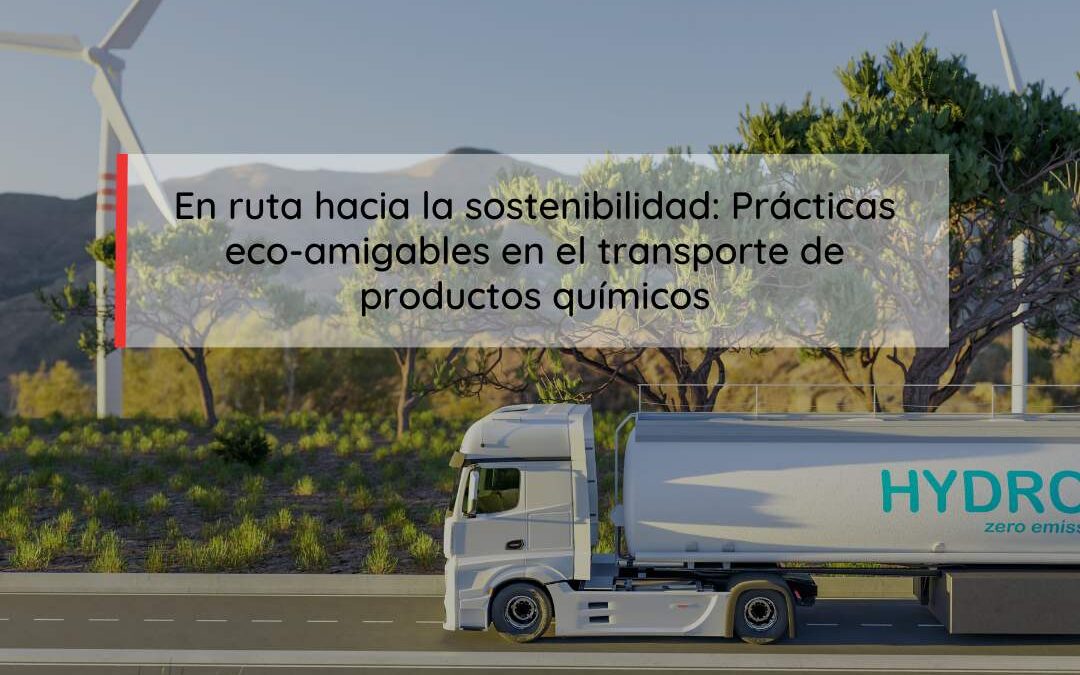
The transition to alternative fuels, such as compressed natural gas (CNG) or hydrogen, can have a significant impact on reducing greenhouse gas emissions in chemical transport. These options are cleaner and less polluting than traditional fossil fuels, contributing to greater environmental sustainability.
3. Implementation of emission control technology
The installation of emission control technology in road tankers can help reduce the amount of pollutants released during the transport of chemicals. Exhaust gas recirculation (EGR) systems, diesel particulate filters (DPFs) and catalytic converters are some of the technologies available that can help improve air quality and protect the environment.
4. Staff and partner awareness
Staff training and awareness-raising are key to promoting sustainable practices in the transport of chemicals. It is important to educate drivers on the importance of driving efficiently and safely, as well as on the risks associated with the products they transport. In addition, fostering a corporate culture focused on sustainability can motivate the entire team to actively contribute to reducing environmental impact.
5. Research and development of innovative solutions
Last but not least, it is crucial to encourage research and development of innovative solutions in chemical transport. This may include designing more efficient tankers, exploring new propulsion technologies and finding sustainable alternatives for packaging and storage materials. The drive towards innovation is essential to drive a real shift towards sustainability in this sector.
Sustainability in chemical transport is a complex but fundamental challenge that requires a proactive and collaborative approach. By adopting green technologies, implementing eco-friendly practices and fostering education and collaboration, the industry is on a path towards a more sustainable future. Every step we take today brings us closer to a tomorrow where the transportation of chemicals is safe not only for our businesses, but also for the planet we share.
If you would like to find out more about dangerous goods transport or any of our services, please do not hesitate to contact us.